A standard laser rod gives you a reading from the bottom of the rod. To get true ground elevation you have to do arithmetic every single shot: Benchmark + Backsight − Rod Reading = Elevation. Over a long day on a big site, mistakes add up fast.
A Lenker-style (Direct Reading / True Elevation) rod flips that. You set the moveable tape face so it already accounts for your benchmark elevation. After that, every reading you take is the actual elevation above sea level — just read the number and write it down.
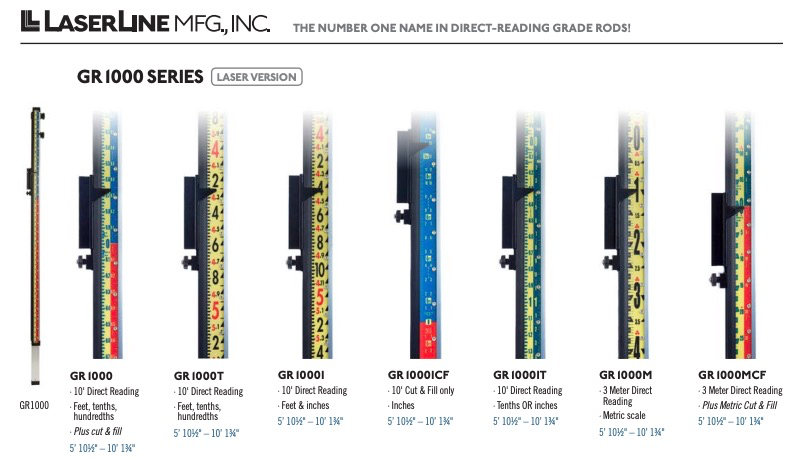
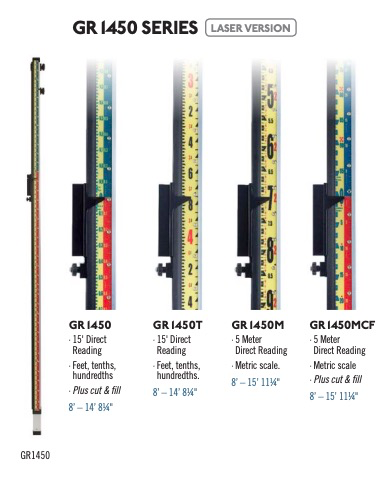
When you’re grading a site, every shot tells you two things: where you are and where you need to be. On a standard rod you calculate the difference yourself. On the GR1450, a second color-coded scale shows the cut (how much to remove) or fill (how much to add) directly — your rod worker reads both in one glance. Faster shots, fewer grade errors, and no calculator on the back of a dirty hand.
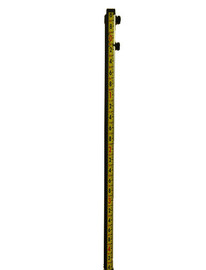
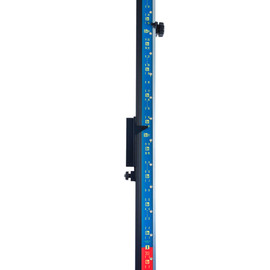
GR Series Direct Reading (Lenker Style) LASER Grade Rod
Measurements: Feet, Tenth, Hundredths, PLUS Cut and Fill
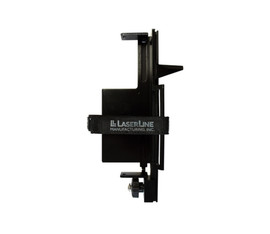
— Receiver Grade Rod Bracket is NOT INCLUDED / Purchased Separately
— Grade Rod Bracket is SPECIFIC to Receiver Model. ((See Chart Below))
This rod is called a 15-foot Lenker Rod.
GR1450 is used in conjunction with a Laser and Laser Receiver. The purchase of an optional Grade Rod Bracket is required for use. These grade rods are the number one seller in the USA, and there’s a reason — Tremendous Quality. Tough, lightweight, and versatile, our direct reading (lenker style) rods bear the true test of quality in the field, and hold up exceptionally well. This rod measures lengths and increments in tenths, metric, and inches.
Direct Reading/True Elevation Grade Rod
Direct Reading, or True Elevation (also known as Lenker style) is a Grade Rod with a moveable tape face allowing you to set the actual benchmark elevation, or any elevation, above or below the bench into the rod. The actual true elevation above sea level is read on these rods, thus eliminating errors caused by adding or subtracting. Since no math is involved, grade shots are much faster than conventional style rods. On most jobsites, the bench elevation is typically established by survey, and all elevations on that project are above that or below primary bench elevation.
EXAMPLE: In the USA, these elevations are typically represented in feet, tenths and hundredths of a foot.
| Specification | Value |
|---|---|
| Length | 15-Foot |
| Measurement Scale | Feet, Tenths & Hundredths |
| Cut & Fill | Yes — color-coded markings included |
| Rod Body | Clear anodized aluminum |
| Detector Rail | Black UV-stabilized |
| Parts Material | DuPont nylon |
| Tape Grommets | Oversized brass |
| Warranty | 1-year manufacturer’s warranty |
| Rod Bracket | NOT INCLUDED — purchased separately (see chart below) |
| ▸ | Black, UV-stabilized detector rail |
| ▸ | Anodized aluminum front and rear rods |
| ▸ | Heavy-duty matte tape face for easy visibility |
| ▸ | Oversized brass grommets resist tape-tearing |
| ▸ | Solid tape lock with internal brake slide |
| ▸ | Safe tape lock pin does not puncture tape |
| ▸ | DuPont nylon parts for long-lasting durability |
| ▸ | Color-coded cut and fill markings |
| ▸ | For use with laser detectors |
| ▸ | 1-year manufacturer’s warranty |
| ▸ | Grade Rod Bracket NOT INCLUDED — purchased separately, specific to your receiver model (see bracket chart) |
For use with a laser detector. There is a special rail slide and optional detector bracket that lets the laser detector travel the full working length of the rod. This allows faster and easier readings because it takes the awkwardness out of having to loosen the detector, move the detector, then tighten the detector for each reading.
Grade Rod Applications: Laser Grade Checking • Leveling • Sitework • Landscaping • Foundations