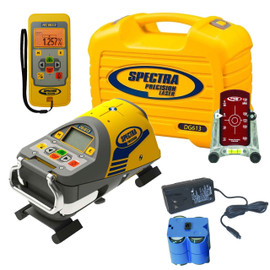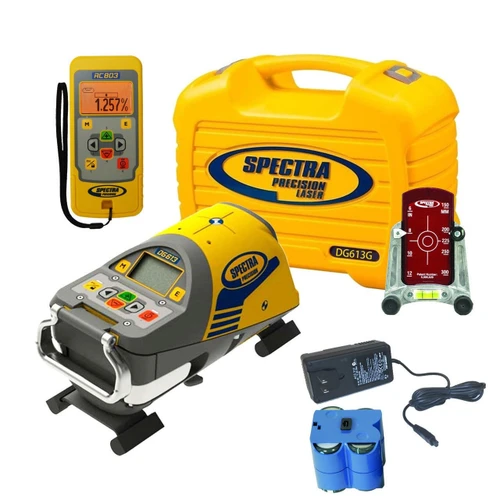


| Spectra DG613G Green Beam Dialgrade Pipe Laser | ||||||||||||||||||||||||||||||||||||||||||||||||||||||||||||||||||||
|
||||||||||||||||||||||||||||||||||||||||||||||||||||||||||||||||||||
|
Spectra DG613G Pipe Laser Overview |
||||||||||||||||||||||||||||||||||||||||||||||||||||||||||||||||||||
|
||||||||||||||||||||||||||||||||||||||||||||||||||||||||||||||||||||
| Spectra Precision DG613G FEATURES and BENEFITS | ||||||||||||||||||||||||||||||||||||||||||||||||||||||||||||||||||||
|
||||||||||||||||||||||||||||||||||||||||||||||||||||||||||||||||||||
| Spectra Precision DG613G APPLICATIONS | ||||||||||||||||||||||||||||||||||||||||||||||||||||||||||||||||||||
|
||||||||||||||||||||||||||||||||||||||||||||||||||||||||||||||||||||
| SPECTRA PRECISION DG613G KEY FEATURES | ||||||||||||||||||||||||||||||||||||||||||||||||||||||||||||||||||||
|
- SELF-LEVELING |
||||||||||||||||||||||||||||||||||||||||||||||||||||||||||||||||||||
| Spectra Precision DG613G TECHNICAL SPECIFICATIONS | ||||||||||||||||||||||||||||||||||||||||||||||||||||||||||||||||||||
|
||||||||||||||||||||||||||||||||||||||||||||||||||||||||||||||||||||
| Included Remote Control Spectra RC803 TECHNICAL SPECIFICATIONS | ||||||||||||||||||||||||||||||||||||||||||||||||||||||||||||||||||||
|
||||||||||||||||||||||||||||||||||||||||||||||||||||||||||||||||||||
|
||||||||||||||||||||||||||||||||||||||||||||||||||||||||||||||||||||
| >>> SPECTRA DG613 PIPE LASER QUICK PRODUCT OVERVIEW >>> | ||||||||||||||||||||||||||||||||||||||||||||||||||||||||||||||||||||


Spectra Precision DG613G — Straight Answers
Every figure below comes from Spectra Precision's own brochure and user guide for this laser, both of which we host on this site. If your question is not here, call 1-877-866-5721 and ask somebody who sets these up in a trench.
What makes the DG613G different from the DG613?
One thing: the beam is green rather than red - a 510 to 570 nm diode instead of 600 to 680. Everything else is the same laser: same -12% to +40% grade range, same 150 m reach, same IP68 body, same Line Scan and Line Alert. The green is easier on the eye at distance and in daylight; the trade is 30 hours a charge instead of 40, and the price.
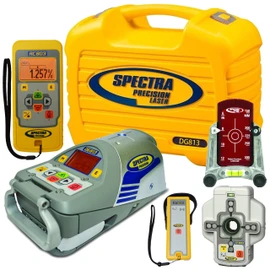
What is auto alignment, and do I need it? (DG613 vs DG813)
This is the question we get asked most about these two, so here it is in full. Auto alignment is the DG813's headline difference and it is really three functions, all of them working with the SF803 Spot Finder - a target the laser can see and talk to.
Spot Align drives the beam onto the target for you. The beam drops to 0%, spreads into a rotating fan and sweeps until it finds the centre of the Spot Finder - up to 45 degrees of search - then settles on it. Your grade value is held the whole time. You set the target at the far manhole and the laser finds it; you do not walk the run.
Spot Match is the one people underrate. It measures a grade you do not know - in an existing pipe or an open trench. The beam fans, aligns to the Spot Finder, passes through it, and the laser displays the grade it just measured. That is how you pick up somebody else's run, or your own from a fortnight ago, without a drawing.
SpotLok aligns and then holds - the same idea as PlaneLok on a grade laser. The beam locks to the Spot Finder's centre and stays there.
Do you need it? If you set up once in the morning and run pipe all day, the DG613 does that job and costs less. If you are in and out of manholes - checking work, picking up runs, resetting after somebody knocks the laser - the DG813 pays for itself in setups, and Spot Match answers a question the DG613 simply cannot.
How accurate is it, and how far will it reach?
Plus or minus 1.5 mm at 30 m - a sixteenth of an inch at 100 feet, which is 10 arc seconds - and it works out to 150 m, 500 feet. That is the laser's range; it does not change with the target you use.
What grade range does it cover?
-12% to +40%, and it self-levels over that entire range with full cross-axis compensation. Set it at the invert, switch it on and the levelling starts straight away. If you have placed it outside the range the beam stays flashing so you know to reposition rather than working to something wrong.
Will it survive being in a wet trench?
It is rated IP68 - the highest dust and water rating on a pipe laser - so standing water in the invert is not a problem. The remote is IP66 and the Spot Finder IP67.
How long does a battery last?
On the 10000 mAh NiMH pack, about 40 hours on a red laser and 30 on the green. The remote runs 130 hours on two AA cells and the Spot Finder 30 hours on four. You can also run the laser on alkalines if a pack goes flat on you.
What is Line Scan, and what is Line Set/Check?
They are the two setup shortcuts, and they save the most time. Line Set/Check is the first-day setup without a Spot Finder - the beam moves to 0% then sweeps vertically up to 45 degrees so you can set your line. Line Scan sweeps the beam left and right to the limits of the horizontal axis and stops centre; when it crosses your target you stop it and fine-tune with the arrow buttons. That is a second-day setup done without climbing in.
What is Line Alert?
A guard against the laser being knocked. After levelling, Line Alert arms itself - 30 seconds or 5 minutes, your choice. If the laser is disturbed the beam and LEDs flash to tell you. You then check the beam against the target at the last pipe you laid rather than finding out later that half a run is off.
How big is it, and will it fit a tight invert?
25 cm long and 13.5 cm in diameter - 9.8 by 5.3 inches - and 3.98 kg with batteries. The short body is the point: it was designed to fit around tighter inverts than the lasers it replaced.
What temperature will it work in?
-20 to +50 C, which is -4 to 122 F. It also carries temperature compensation, so the beam holds its line as the trench warms through the day rather than wandering off it.
What laser class is it?
Class 3A/3R, under 5 mW, to IEC 60825-1:2014. A Class 2 version is also available. Never look into the beam or direct it at anyone's eyes, and keep the warning labels on the unit.
Do I want the red beam or the green one?
Honestly, it depends on the work, and we are not going to push you up to green for the sake of it. Green is easier to see. The human eye is far more sensitive to green than to red at the same power, so the spot is quicker to find and easier to read at the far end of a long run, in daylight, or against a bright trench wall. Red lasts longer and costs less - about 40 hours a charge against 30 on the green. If your runs are short, or you are working deep where it is dark anyway, the red does the same job for less money. If you are regularly at the long end of 500 feet, or fighting daylight, the green earns its difference. Call 1-877-866-5721 and describe the work - we will tell you which one we would buy.
Is it only for sewer and storm drain, or does it do conduit too?
Conduit as well, and that is a bigger share of the work than most people expect. Anything that goes in a trench to a grade or a line - sanitary, storm, water, ducting and conduit banks - is the same job to the laser. We sell a lot of these into electrical and utility work, and increasingly into solar farm and data centre construction, where the conduit runs between arrays, buildings and switchgear have to hold line and grade over long distances. Same laser, same setup, same answer.
Who am I buying from?
Contractors-Tools.com, an authorized Spectra Precision dealer. We set these up and service them. Tell us the work - pipe size, run length, what you are laying - and we will spec the laser, the target and the remote together before you order. Call 1-877-866-5721.
Source: Spectra Precision DG series pipe laser family brochure and the DG613 pipe laser user guide.
-

Spectra Precision DG613 & DG813 — Basic Functions Guide
Complete basic functions overview for the Spectra Precision DG...
-
The New Family Of Pipe Lasers From Spectra Precision
For more info on all Spectra Lasers visit us at spectralasers....
-
Spectra Precision Pipe Lasers — New vs. Previous Models Explained
Breakdown of how Trimble's newest Spectra Precision pipe laser...